
Reading Contemporary Art
Marie Leduc

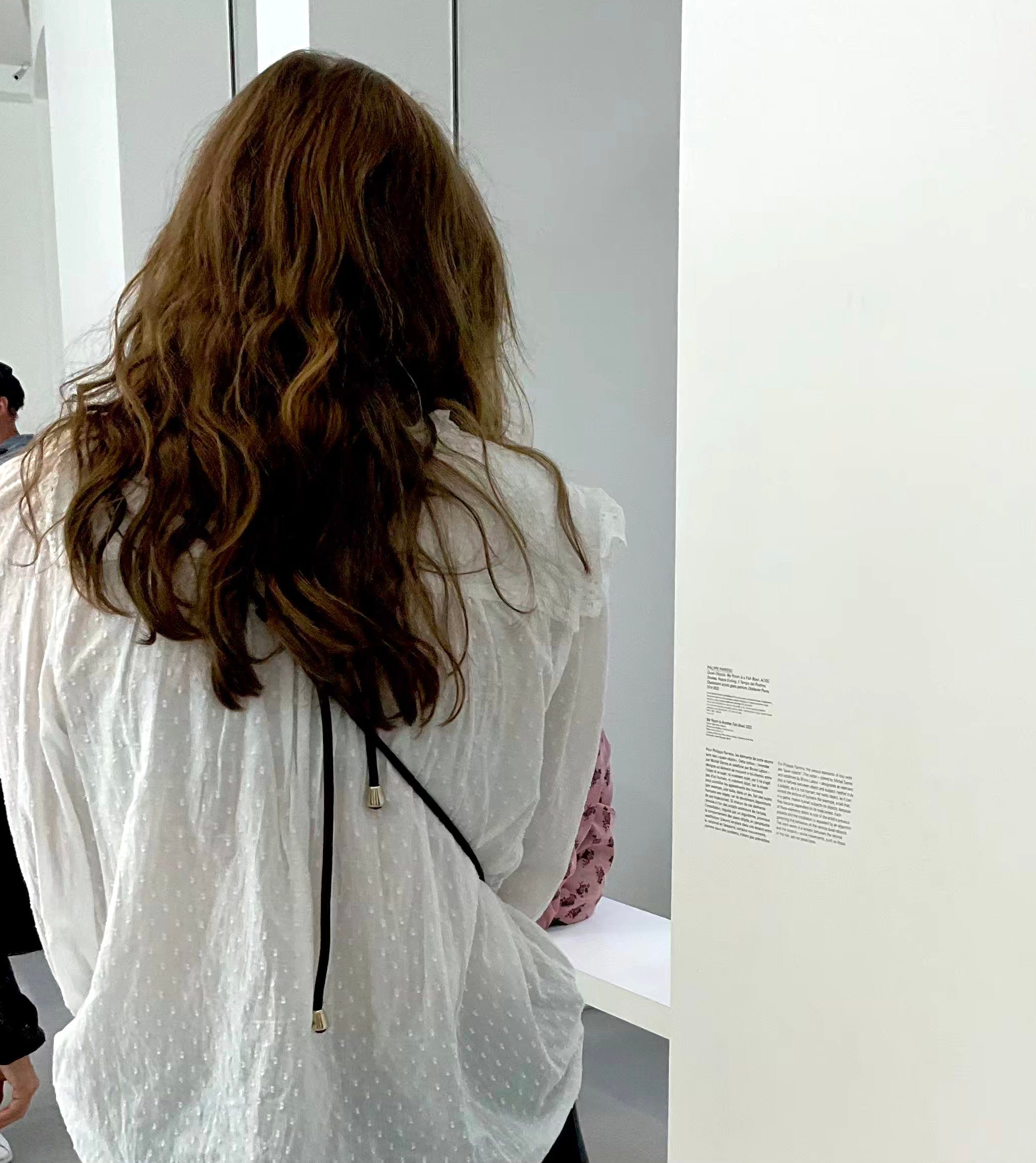
A visit to the Pinault Collection at the Bourse de Commerce in Paris this past fall made me realize how integral didactic texts have become in the presentation of contemporary art. As I wandered the galleries in the Bourse, I noticed how everyone gravitated towards the wall panels that accompanied every artwork. Often there was a crowd forming around the panel as visitors tried to understand the meaning of a strand of lights hanging from the ceiling (a work by Felix Gonzalez-Torres and Roni Horn), two rows of square grey panels on a wall in another room (a work by Sherrie Levine), or slabs of glass placed on the floor (a work by Nina Canell). A recent exhibition in Calgary at the Esker Foundation again confirmed this observation and made me ponder the role texts play in the making and meaning of contemporary art.
The Esker featured Pulse of the Planet, a retrospective exhibition of work by Mel O’Callaghan. The exhibition included numerous works demonstrating O’Callaghan’s cross-disciplinary art practice. There was a sculpture – two giant tuning forks on a platform – paintings, sound, film, and a performance presented at fixed times. Upon entering the Esker I was greeted by a receptionist who immediately offered me a pamphlet describing the exhibition and instructed me to read the wall text before viewing the show. She explained that it was necessary to know that O’Callaghan’s artistic practice includes collaborating with various scientists. She directed me to the large panel across from the entrance and as I moved through the exhibition I noted how every work was accompanied by a smaller panel fastened to the wall. The lengthy texts on these panels provided the usual information (such as title and date) and also identified the materials the artist had used, who she had collaborated with, and the meaning of the work.


O’Callaghan’s large painting, My heart beneath the earth (2023), is a good example. It is an expansive black painting that fills one whole wall. The black surface is speckled with random touches of coloured paint. The work could easily be interpreted as an abstract painting and appreciated for its formal visual qualities. The label, however, informs the viewer that the paint spatters are made with “freshly crushed pigments” and rare earth minerals, a fact that is not evident from looking at the work. And, then more explicitly, the text explains that the minerals used are “akin to the begins [sic] of life, both on a cellular and planetary scale,” and the painting is meant to represent
the molecular and mineral level of our shared social and cellular beginnings. Like the improbability of a crucible moment – the initial split of the first cell 4.5 billion years ago, or the explosion of a star – My heart beneath the earthemanates from a singular impulse and its yearning for the collective. Crystallized here is this unlikely alchemical doubling, a metaphor for all multicellular life on Earth and the more-than-human lifeworlds we must be attentive to.
While one can appreciate O’Callaghan’s research, collaboration, and knowledge of how the earth and the universe are made, her intended meaning is not at all apparent from the visual experience of the work alone. One must read the text, as the receptionist explained, to understand the motivation, research, and meaning of the work.
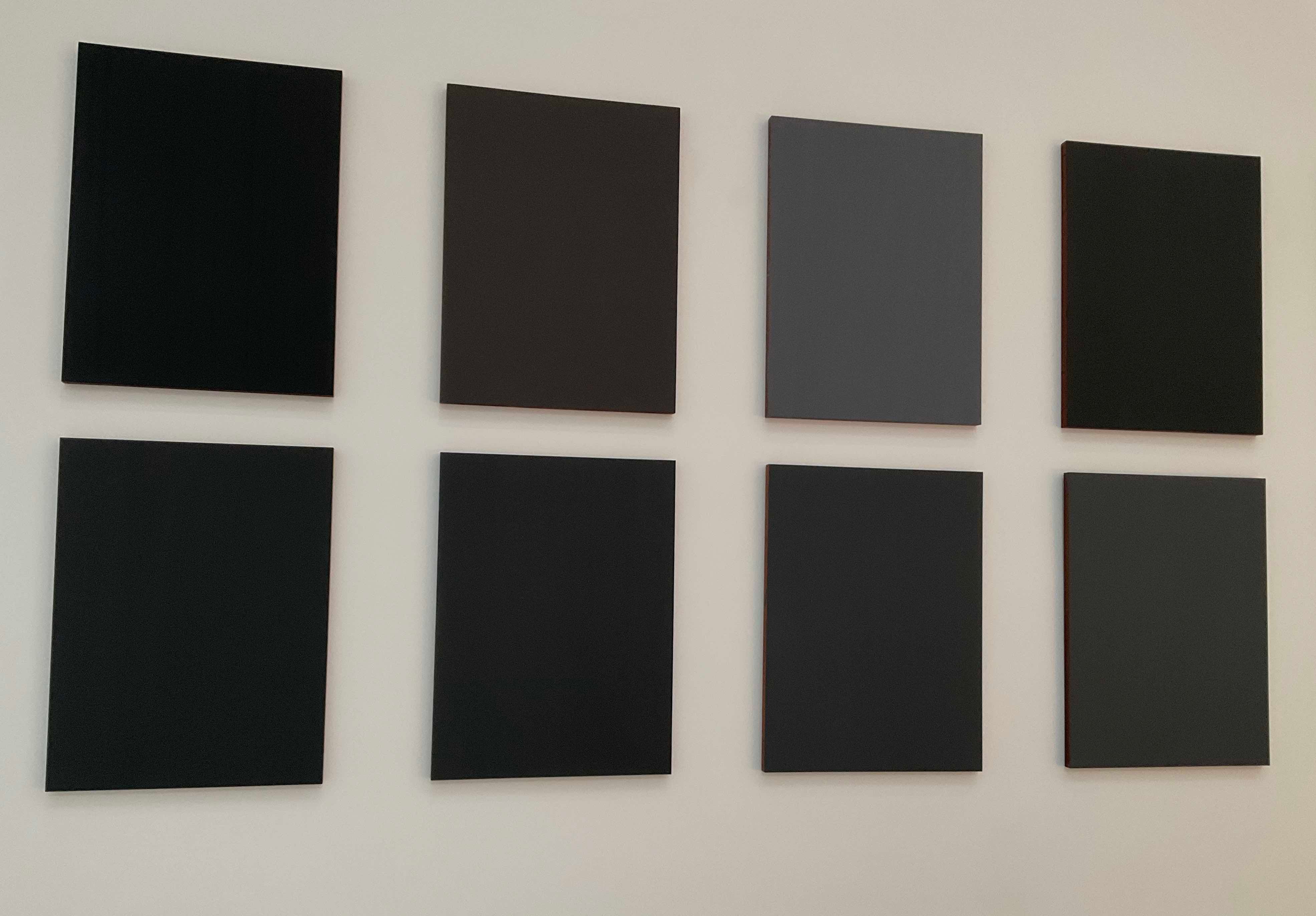
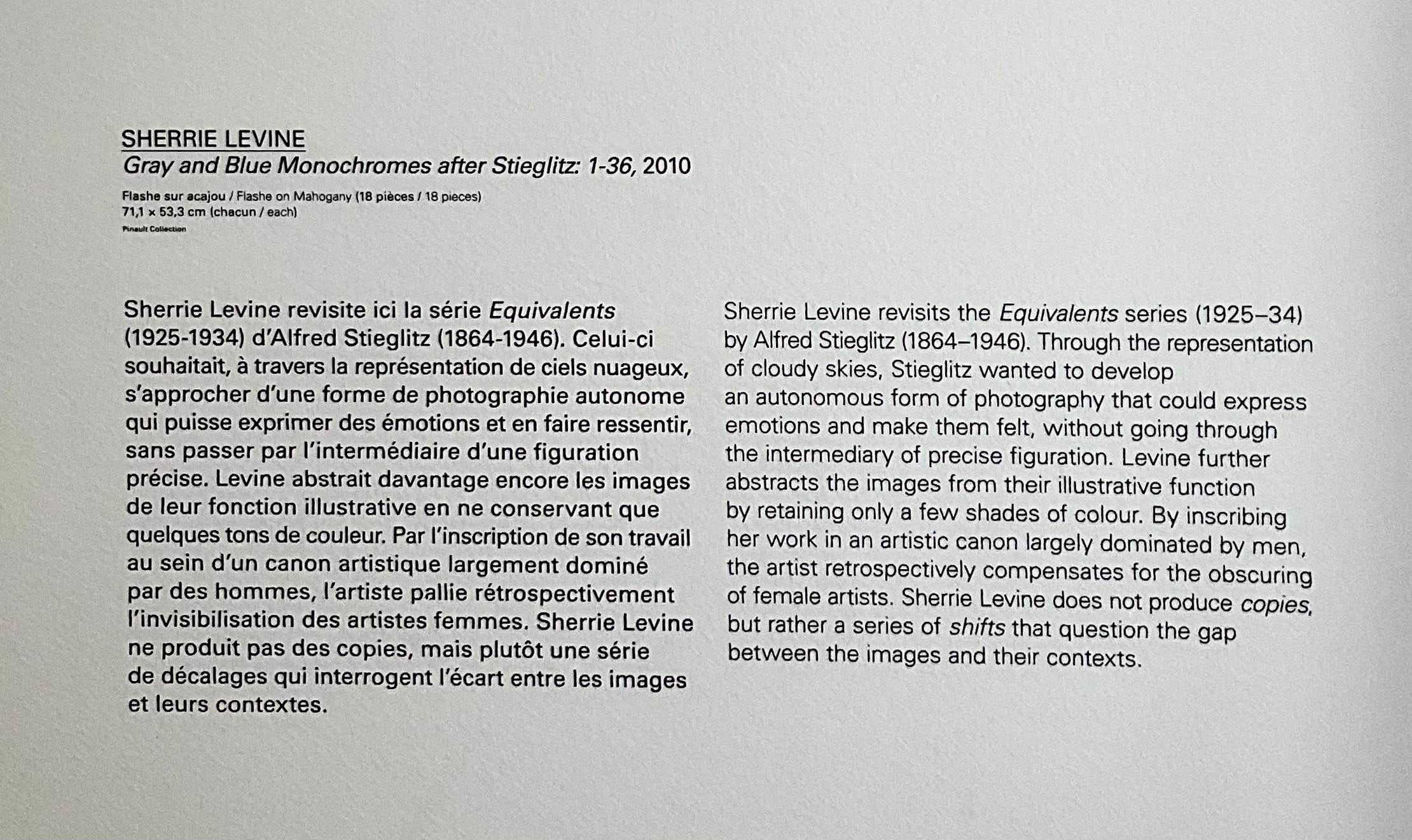
I found a similar situation in the Bourse. Sherrie Levine’s work, Gray and Blue Monochromes after Stieglitz: 1-36 (2010), for example, consists of square grey panels, each varying almost imperceptibly in tone. The wall text informed me that these panels duplicate the tones from a photo series by the American photographer, Alfred Stieglitz (1864-1946). With these works, we are told, Levine is “inscribing her work in an artistic canon largely dominated by men.” Again, such a meaning would be impossible to even realize unless, perhaps, one had some knowledge of Levine’s history as an artist who appropriates the work of male artists.
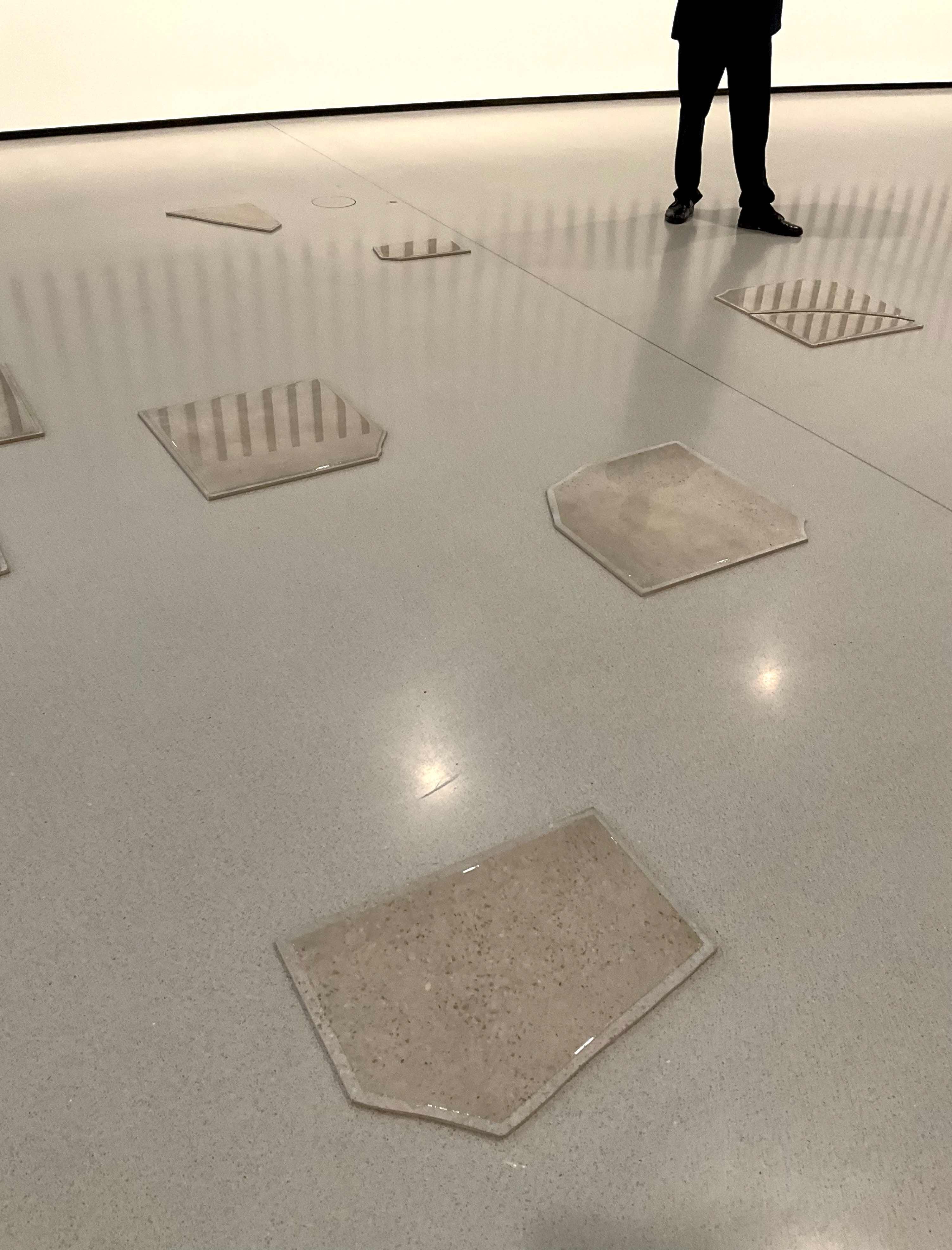
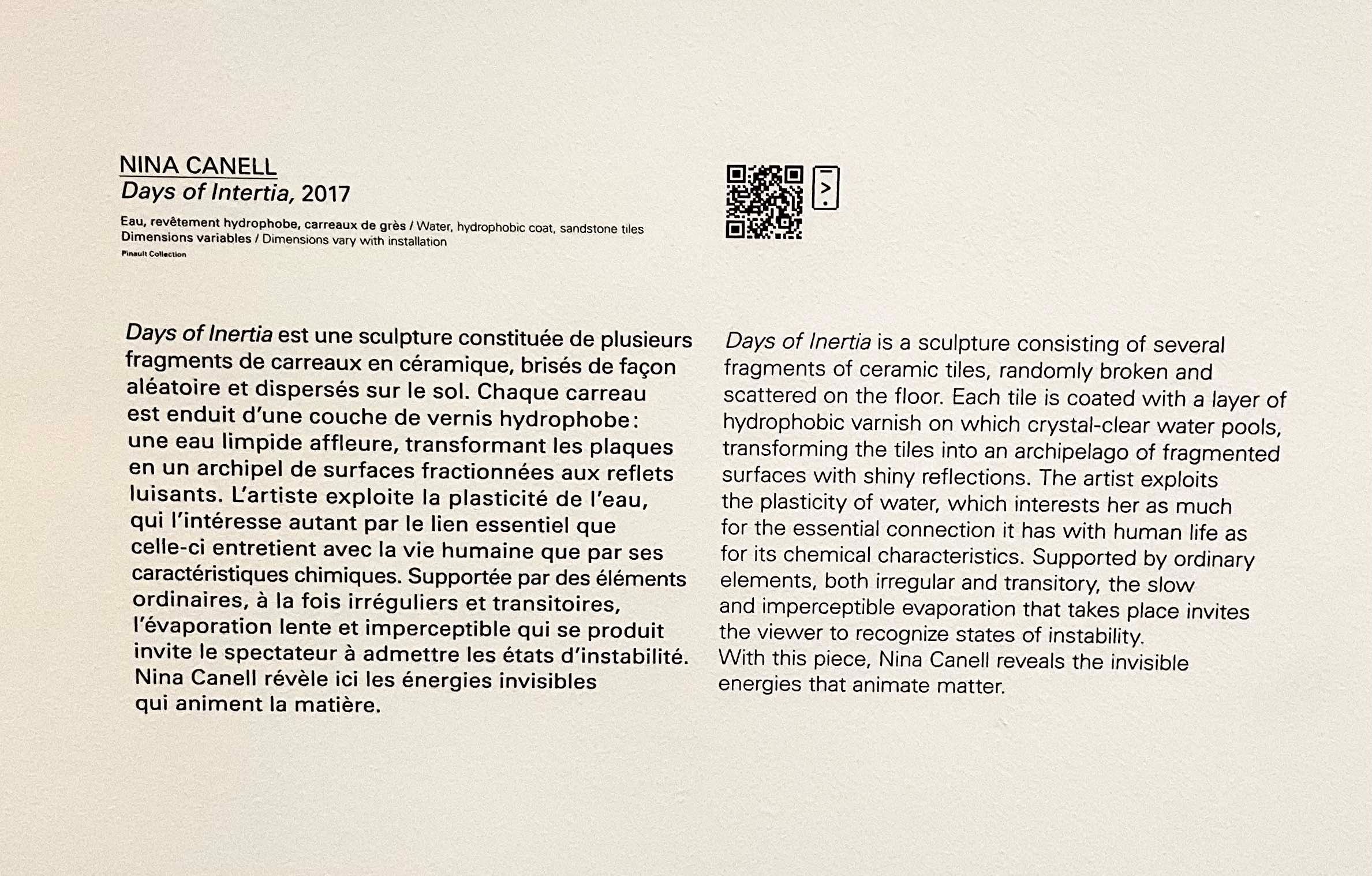
In another gallery, visitors had to skirt around Nina Canell’s irregular glass-like slabs laid out on the floor. The text panel on a wall across from Days of Inertia (2017) explained that these objects are made of ceramics and coated with “hydrophobic varnish” and water. The work is meant to make the visitor “recognize states of instability” and how nature “animates” matter. Again, such a specific meaning eludes the viewer.
In each case there is a relationship between the texts and the artworks but also a deep disconnect. The visitor literally must “read” the label along with viewing the artwork in order to understand the work’s significance. This close integration suggests that the text might actually be part of the work except for the fact that the text is not physically located on the work but always set apart – a few feet to the right or left of a painting, or on a wall outside a film viewing room, or on a wall across from a sculpture. As a viewer, one must bring these two disparate pieces together to fully experience the work.1
The use of extraneous texts to explain artworks is not unusual or specific to contemporary art. Ever since Monet and the Impressionists introduced new subjects and painting techniques, the public has been challenged to consider new forms of artistic expression. Contemporary art continues this avant-garde legacy. The Impressionists’ work, at the time, did not look like completed paintings nor did the subject matter fit public expectations for what was believed to be art. Sketchy scenes of haystacks, the blurry image of a street in Paris, and equally unresolved images of the artists and their friends enjoying a day in the park, were not at all the same as the realistically rendered portraits, landscapes, historical events, and mythic images popular as art in 19th century Europe.
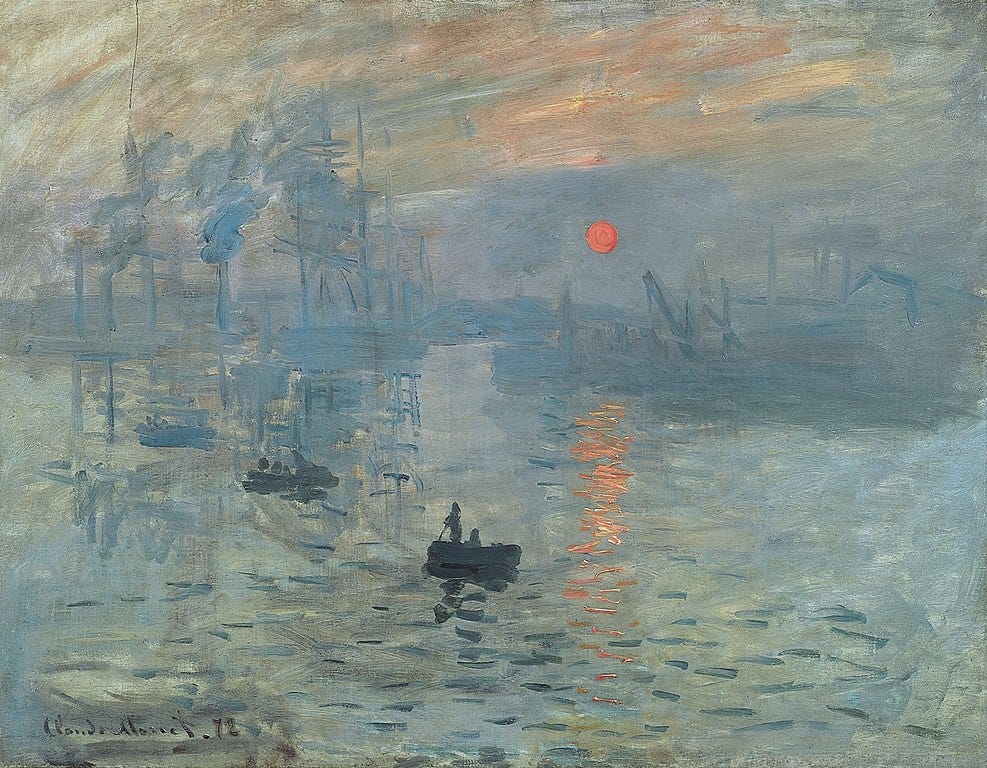
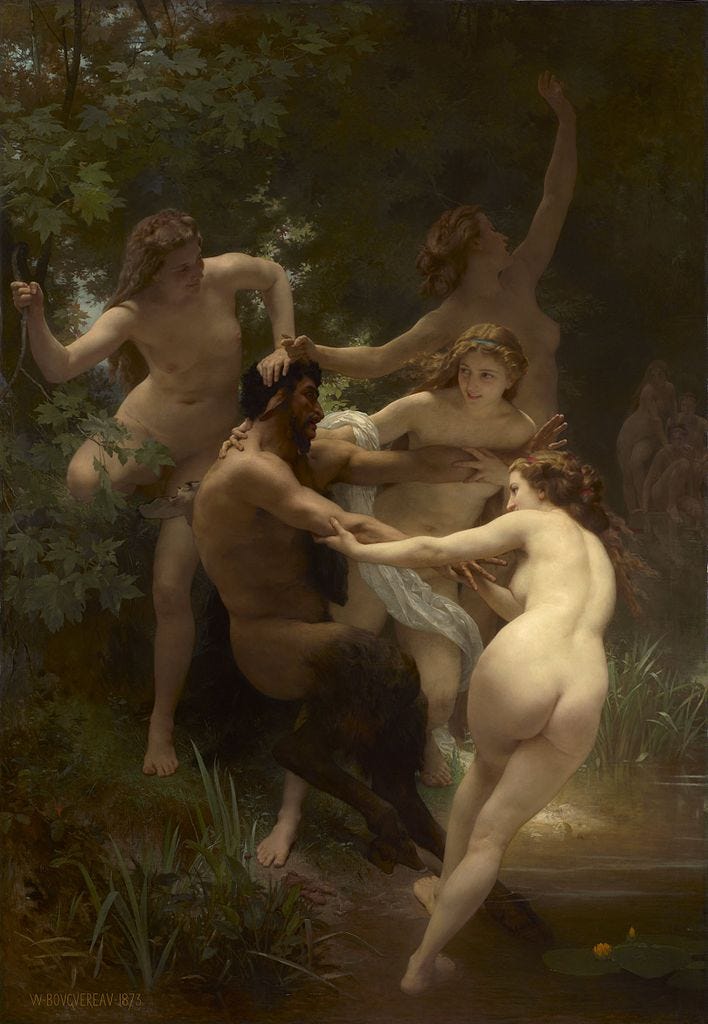
To educate the viewer, and to provide a convincing narrative about this new art, artists and writers began to publish texts in newspapers, journals, and books that explained the motivation and meaning of these strange artistic experiments. Didactic texts became even more important as all signs of representation disappeared in modern art. There was often no familiar image for the public to recognize, only colour and form. Written texts then explained the meaning of these works and justified their “specialness” as art.2
Contemporary art poses another problem. It continues the modernist experiments but introduces an endless trail of new materials, methods, and subjects. Our contemporary globalized world is replete with images, stories, and subjects that artists can draw upon. This means that contemporary artists, and more so the institutions that present their work, are challenged to find some common equivalences to convince the public that so many different objects, sounds, and actions are all to be understood as art. The short texts accompanying the works at the Esker and the Bourse are then designed to do just that, at least in an abbreviated form.
First, the texts affirm that the artists have suitably laboured to produce their work. They have invested time and thought which indicates their serious intent. O’Callaghan has “collaborated” with “scientists” in many fields, employed very specific materials not typically used in art, and employed specialized tools and techniques. Canell has also researched and explored unusual materials including chemicals to produce her work. And, Sherrie Levine has researched the historical origins of Alfred Stieglitz’s photos and his photographic techniques in order to reconfigure his work.
Second, the texts allude to the originality of the artists’ work even if they do not state this directly. O’Callaghan and Canell transform science and research into art, and Levine remakes Stieglitz’s work anew.
Third, each of the texts briefly explains a meaning for the work, thus asserting that these objects have a significance beyond their physical properties. O’Callaghan’s work is supposed to make the viewer realize how the earth and the universe are created and how our shared humanity is interconnected with nature. Canell’s work is meant to demonstrate how objects are changed over time through the interaction of natural substances and chemical reactions, and Levine’s work is meant as a feminist challenge to a male dominated art world.
Finally, each of the noted subjects alludes to a contemporary political, social, and/or moral issue. The texts about O’Callaghan and Canell suggest that the artists are concerned about the global climate crisis while Sherrie Levine’s work addresses gender equality in the arts. The public is likely to be familiar with each of these social causes from popular media and recognize the artists’ political sympathies.
The texts then provide at least four justifications for why these particular objects are presented in the museum/gallery and should be considered art: the labour and commitment of the artists, the originality of the artistic endeavour, an interpreted meaning, and the assertion that the objects (and the artists) address current and popular social issues. These justifications are not only designed to inform the public but also to convince them of the authenticity of these objects as art. The public, in turn, is expected to accept these assertions even if they cannot actually see the qualities, themes, and meaning in the physical object before them.
The dependence on didactic texts in contemporary art exhibitions highlights the complicated relationship between contemporary art institutions and the public. Contemporary art, like avant-garde modernist art before it, is constantly challenged with justifying new objects as art. The avant-garde art movement was designed to thwart the public’s expectations of what is and is not art.3 The avant-garde set out to destroy tradition and revolutionize art and never stopped. As a result, the modern and contemporary artists who followed have been valued for their dissident experimentations and have continually remade the visible form of art, so much so that the public can no longer immediately recognize art as art. Each new innovation – whether one of Monet’s paintings, Duchamp’s readymades, Jackson Pollock's huge canvases, Yoko Ono’s performances, or a large screen video by Yang Fudong, for example – requires new justifications, if not an exegesis, to prescribe the “truth” of art and convince the spectator. The contemporary art museum or gallery then has a complicated and difficult task; it presents objects that challenge the public’s concept of what is and is not art, while at the same time trying to convince the public that these same objects are art.
Some museums have facilitated the integration of the work and text by offering guided tours by docents and curators, or headsets with a recorded voice. Such programs and devices fully merge the work and the text into a simultaneous experience.

See Renato Poggioli, The Theory of the Avant-garde, translated by Gerald Fitzgerald (Cambridge, Mass: Harvard University Press, [1962] 1968) and Peter Bürger, Theory of the Avant-Garde, foreword by Jochen Schulte-Sasse and translated by Michael Shaw ( Minneapolis: University of Minnesota, [1974] 1984).
Thanks Marie. I enjoyed that and it all makes sense. I have a love-hate relationship with the texts accompanying art works. In one sense, for me, I really love having the whole package (the work, the description, knowing something about the artist, the historical context etc.). On the other hand, sometimes I consciously try to avoid knowing anything and just sitting with the work to figure out its meaning for myself.
I thought your comment about the four justifications both inform, but also convince viewers of authenticity, EVEN if the viewers cannot see that in the work for themselves was a key point. As we have talked about in our group for years now - contemporary art is challenging for most people. Perhaps we are currently in a phase where people need more explanation than ever before, but as time goes by, there will be a more general understanding because of all this education and convincing and so it won't be as necessary in the future.
The Painted Word by tom wolfe came to mind;
Wolfe's thesis in The Painted Word was that by the 1970s, modern art had moved away from being a visual experience, and more often was an illustration of art critics' theories. Wolfe criticized avant-garde art, Andy Warhol, Willem de Kooning, and Jackson Pollock. The main target of Wolfe's book, however, was not so much the artists, as the critics. In particular, Wolfe criticized three prominent art critics whom he dubbed the kings of "Cultureburg": Clement Greenberg, Harold Rosenberg, and Leo Steinberg. Wolfe argued that these three men were dominating the world of art with their theories and that, unlike the world of literature in which anyone can buy a book, the art world was controlled by an insular circle of rich collectors, museums, and critics with outsized influence.[1]
Wolfe provided his own history of what he saw as the devolution of modern art. He summarized that history: "In the beginning we got rid of nineteenth-century storybook realism. Then we got rid of representational objects. Then we got rid of the third dimension altogether and got really flat (Abstract Expressionism). Then we got rid of airiness, brushstrokes, most of the paint, and the last viruses of drawing and complicated designs". After providing examples of other techniques and the schools that abandoned them, Wolfe concluded with Conceptual Art: "…there, at last, it was! No more realism, no more representation objects, no more lines, colors, forms, and contours, no more pigments, no more brushstrokes. …Art made its final flight, climbed higher and higher in an ever-decreasing tighter-turning spiral until… it disappeared up its own fundamental aperture… and came out the other side as Art Theory!… Art Theory pure and simple, words on a page, literature undefiled by vision… late twentieth-century Modern Art was about to fulfill its destiny, which was: to become nothing less than Literature pure and simple".[4]