La route de Cézanne
Art in Aix-en-Provence

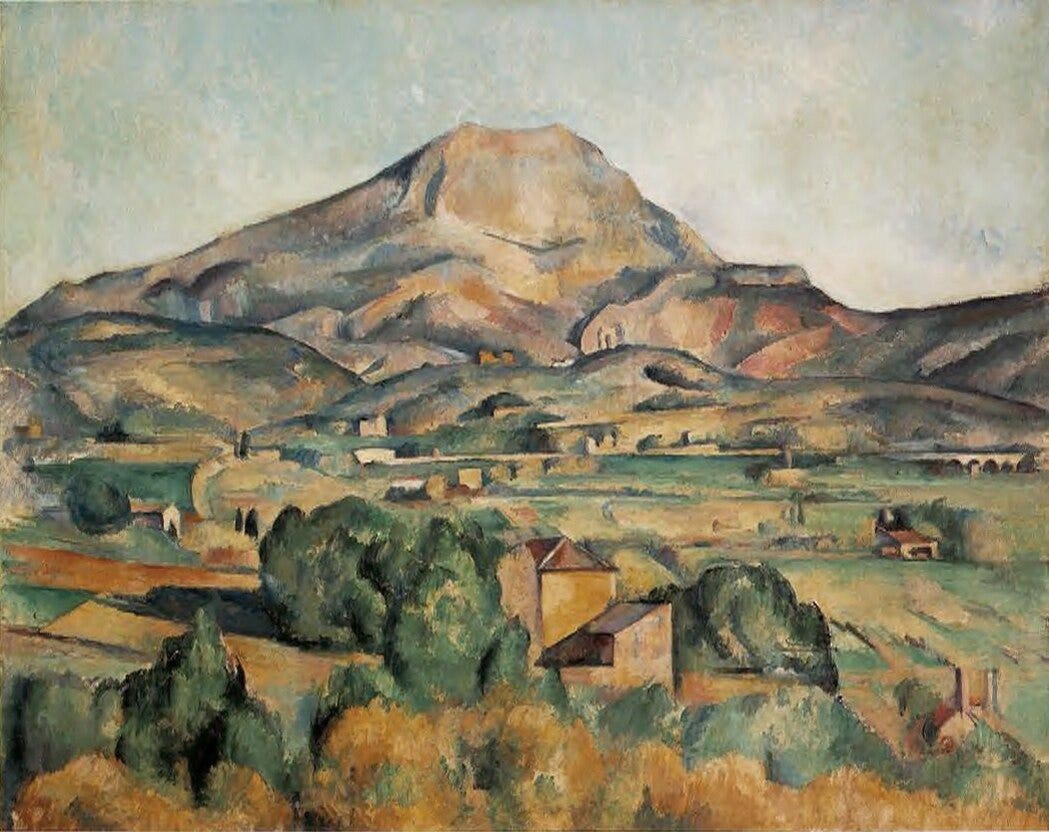
Aix-en-Provence, a city just north of Marseille has adopted Post-Impressionist painter, Paul Cézanne (1839-1906) as its emblem just as the city of Arles, 60 kilometres to the west, has claimed Vincent Van Gogh. It is here, in Aix, that Cézanne established a studio and painted many of his signature landscapes suffused with the hues and light of Provence. It is also here that, after his death in 1906, artists from all over Europe travelled in hopes that they too might capture something of Cézanne’s magic.
One of those painters was Jean Planque (1910-1998), a Swiss business man-turned-artist who befriended many of the most important artists of the early 20th century. Like them, he was a great admirer of Cézanne. In 1948, with the money he earned from an invention, he journeyed south following the route that had led Cézanne to Aix.
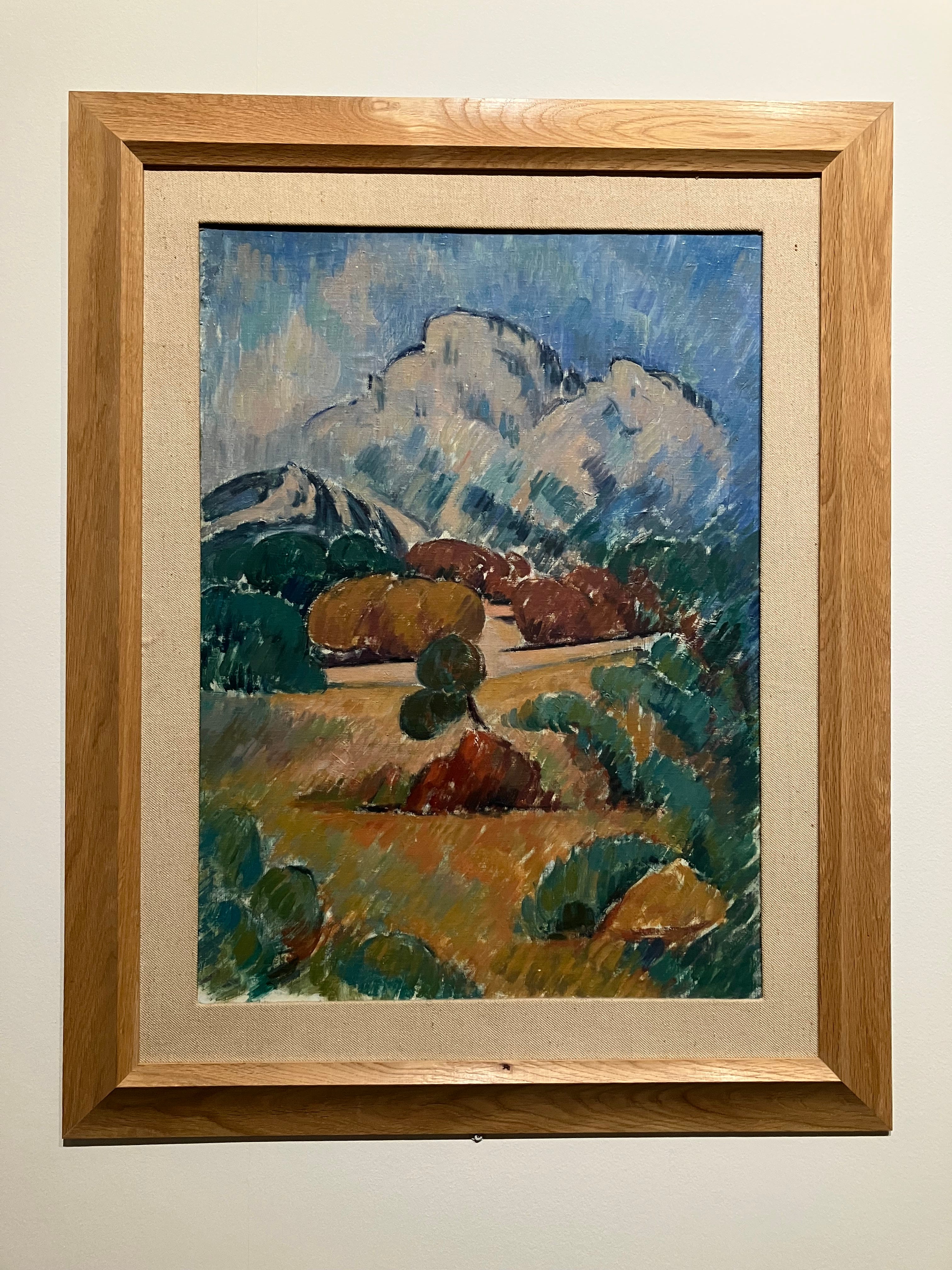
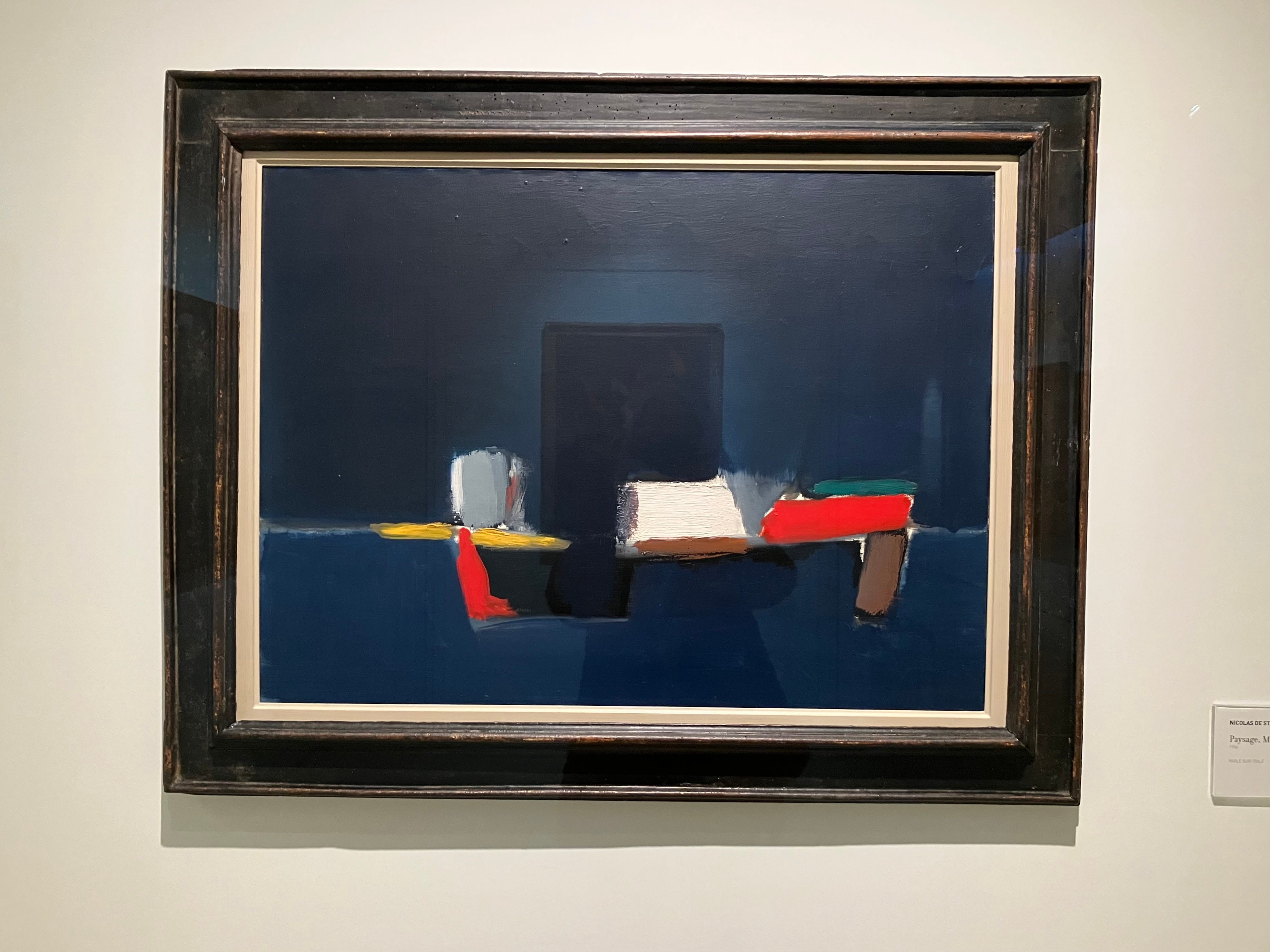
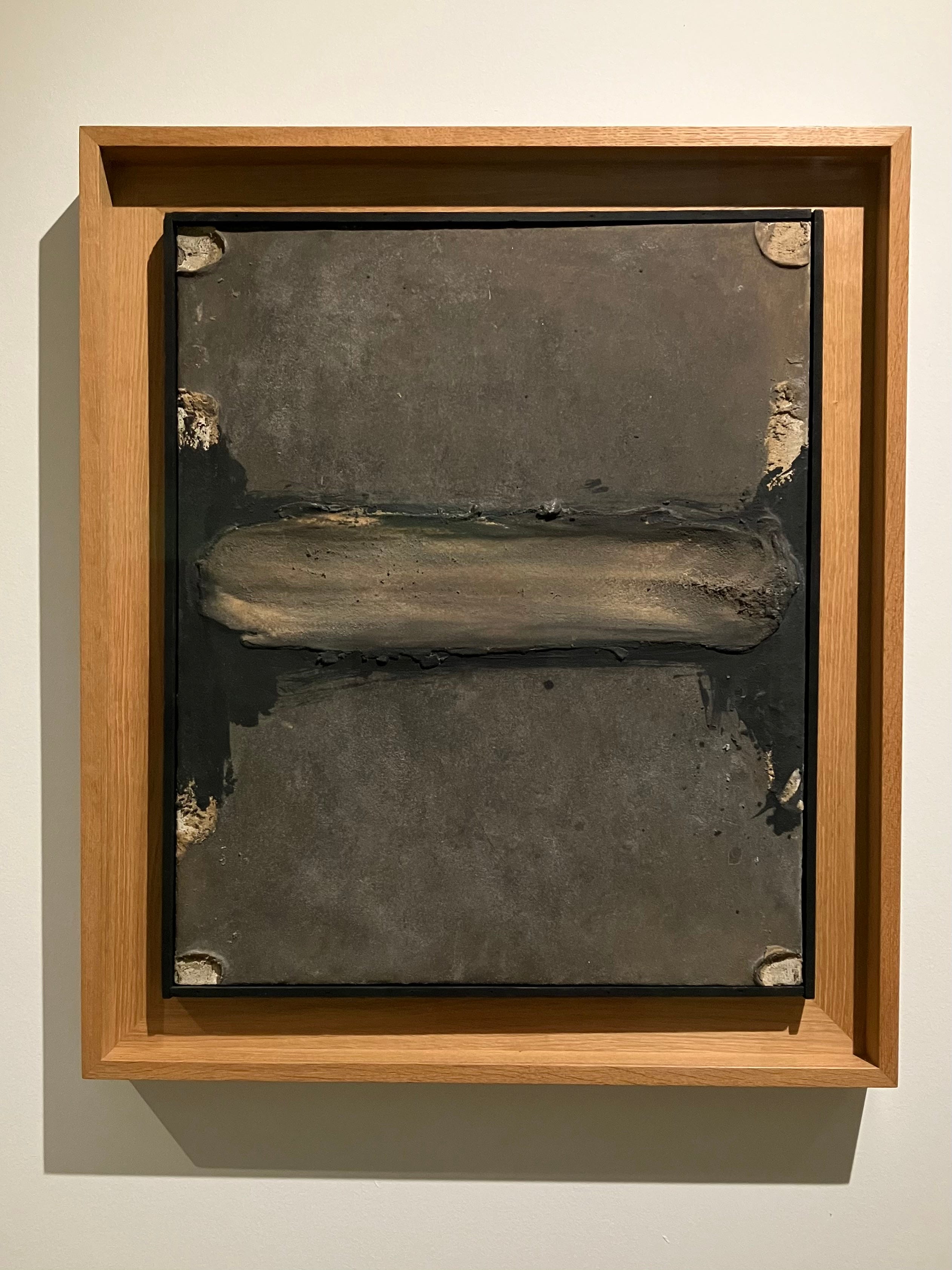
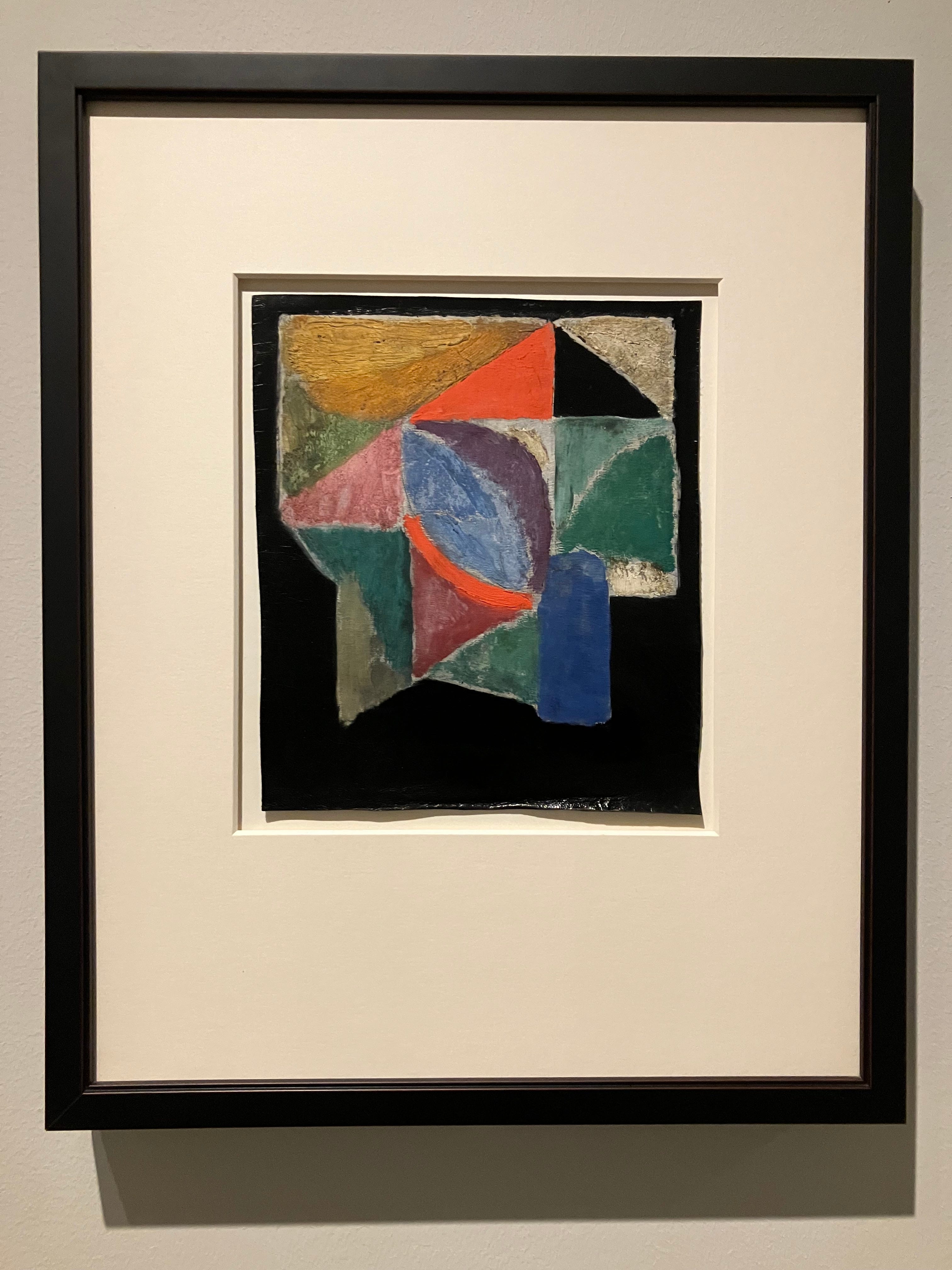
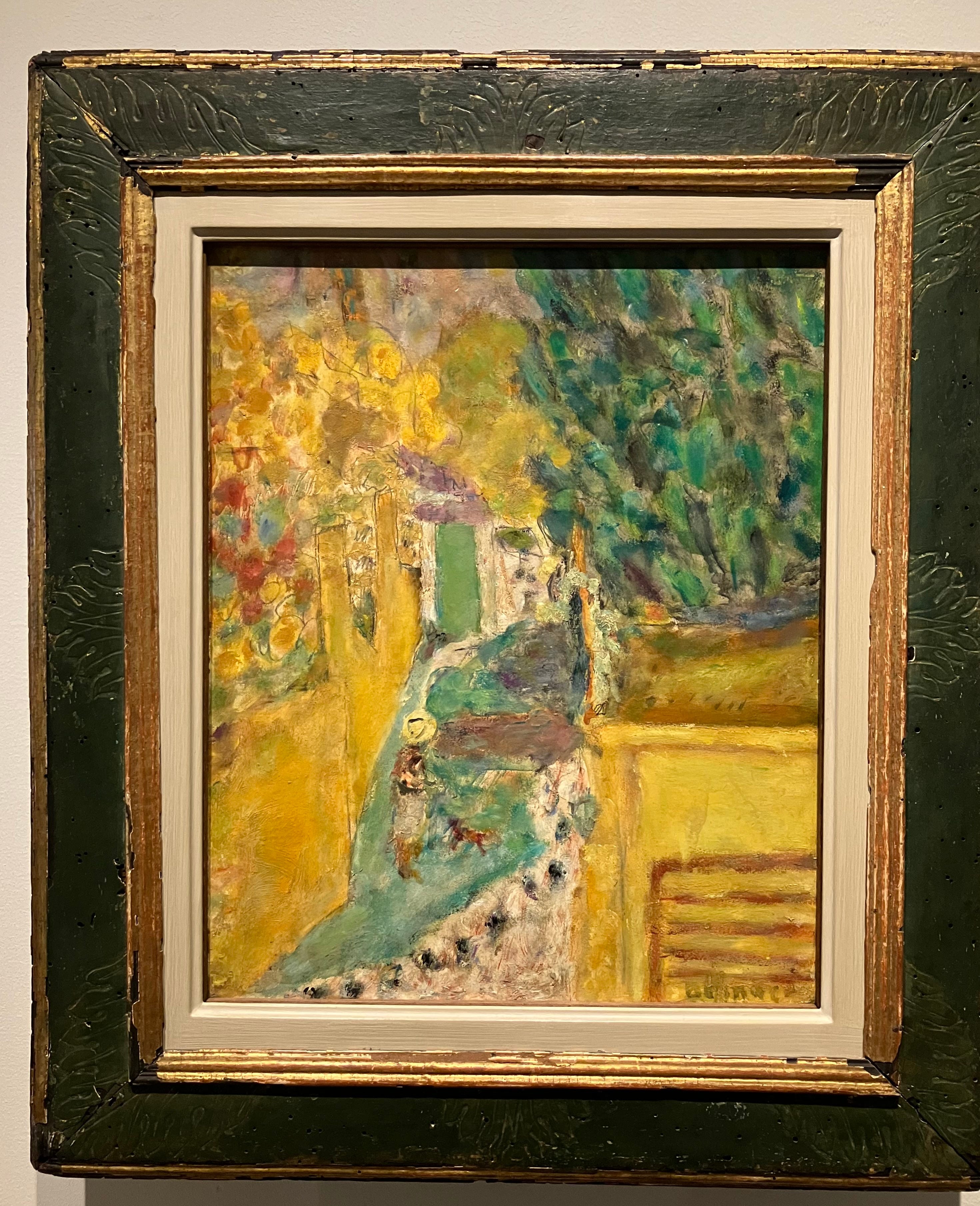
As a painter, Planque never achieved the same renown as his idol or as his contemporaries. He did, however, surround himself with art. Throughout his life, he collected the work of the artists he met and befriended. He accumulated 300 paintings, drawings, and sculptures. Since his death, the collection has been maintained by a foundation established by his widow. In 2011, the collection was placed at Aix’s Musée Granet. To house and exhibit the collection, which features paintings by such luminaries as Picasso, Antoni Tàpies, Nicolas de Staël, and Cézanne, the museum created a nearby satellite gallery, Granet XXe. I visited the gallery, a small, beautifully renovated 17th century chapel, in early February.
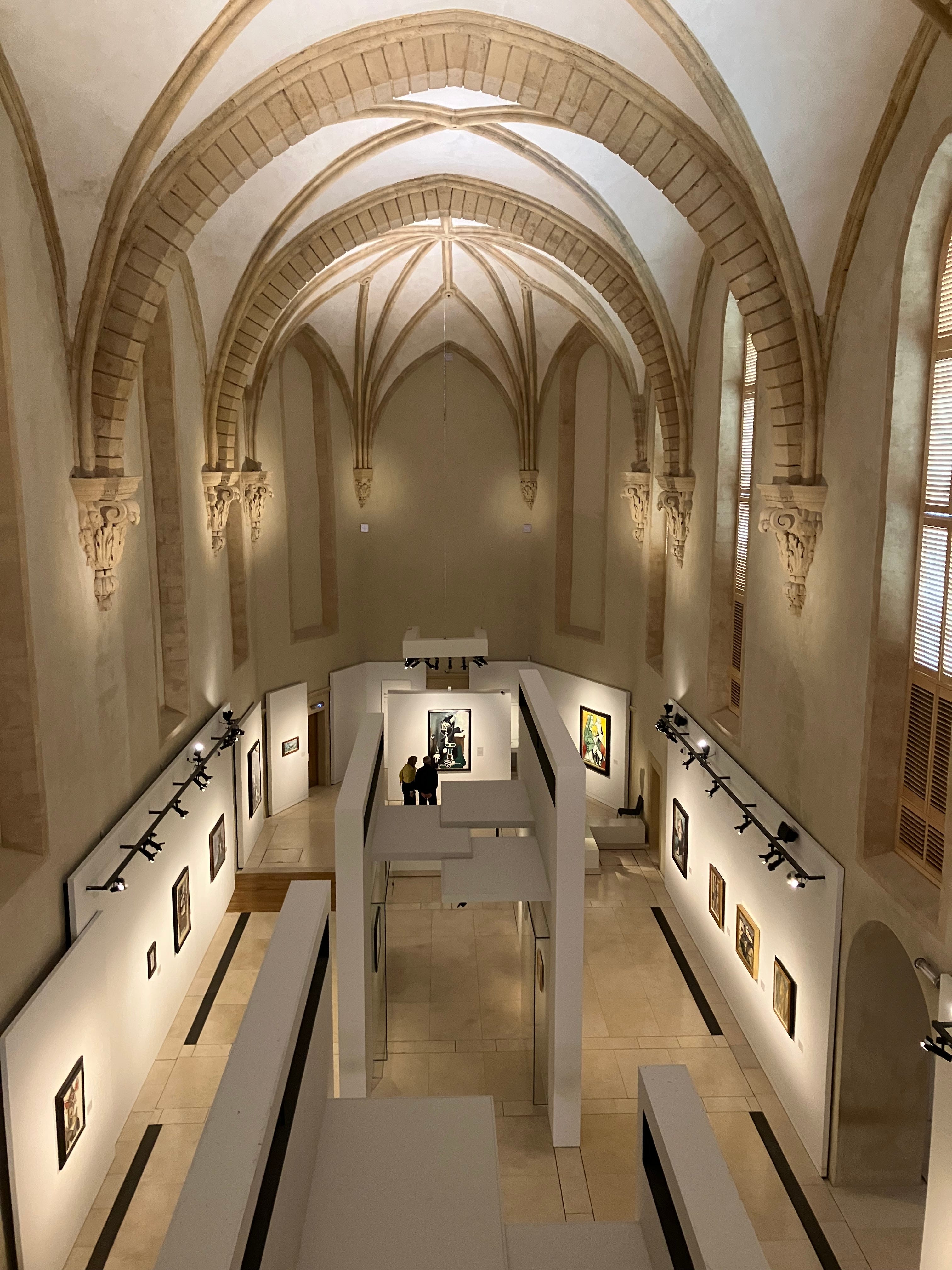
What I enjoyed most about the collection exhibition is how it featured smaller and less well known works, works not typically featured in textbooks or large museums. I also appreciated the unabashed emphasis on European artists, artists who were sorely neglected in my North American education. Notable were paintings by Nicolas de Staël, Antoni Tàpies, Sonia Delaunay, and a small work by Pierre Bonnard that portrayed a street in a small village near Aix that I passed through several times.
The work of Cézanne was notably missing from this exhibition. His artistry, however, is immortalized at the Musée Granet, the mothership museum a few blocks away. An exhibition of the museum’s collection charts Cézanne’s artistic progress from his awkwardly executed academic paintings to the signature style and palette he developed in Provence. The exhibition lacked many of Cézanne’s more famous works and focussed, instead, on smaller paintings. One painting I was unfamiliar with was titled the Apotheosis of Delacroix. Here, the painter, Eugène Delacroix (1798-1863), is lifted into the sky upon a cloud just like Christ in the images of his transfiguration. Below, his faithful — a gathering of Cézanne’s contemporaries — bid him farewell.
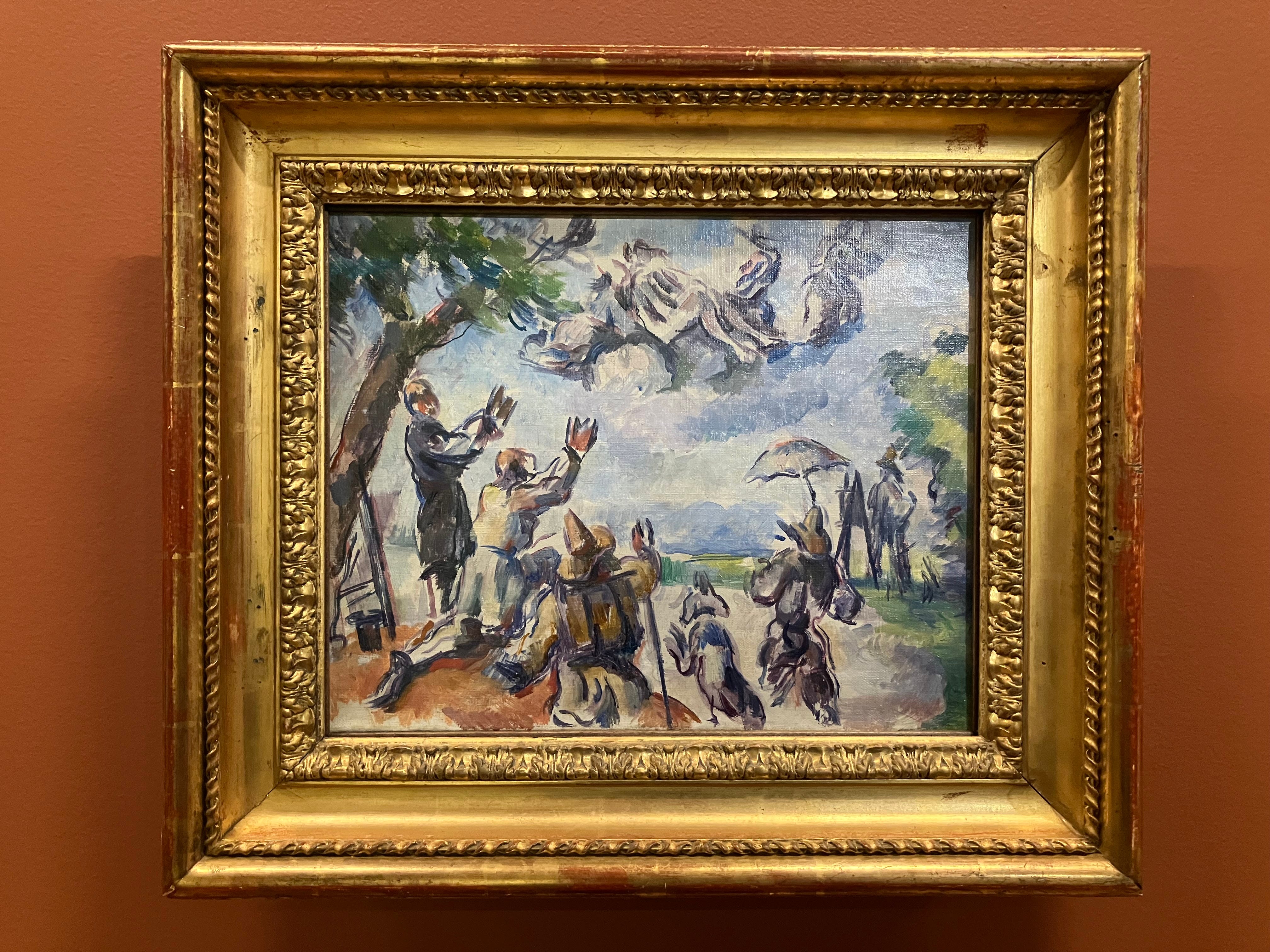
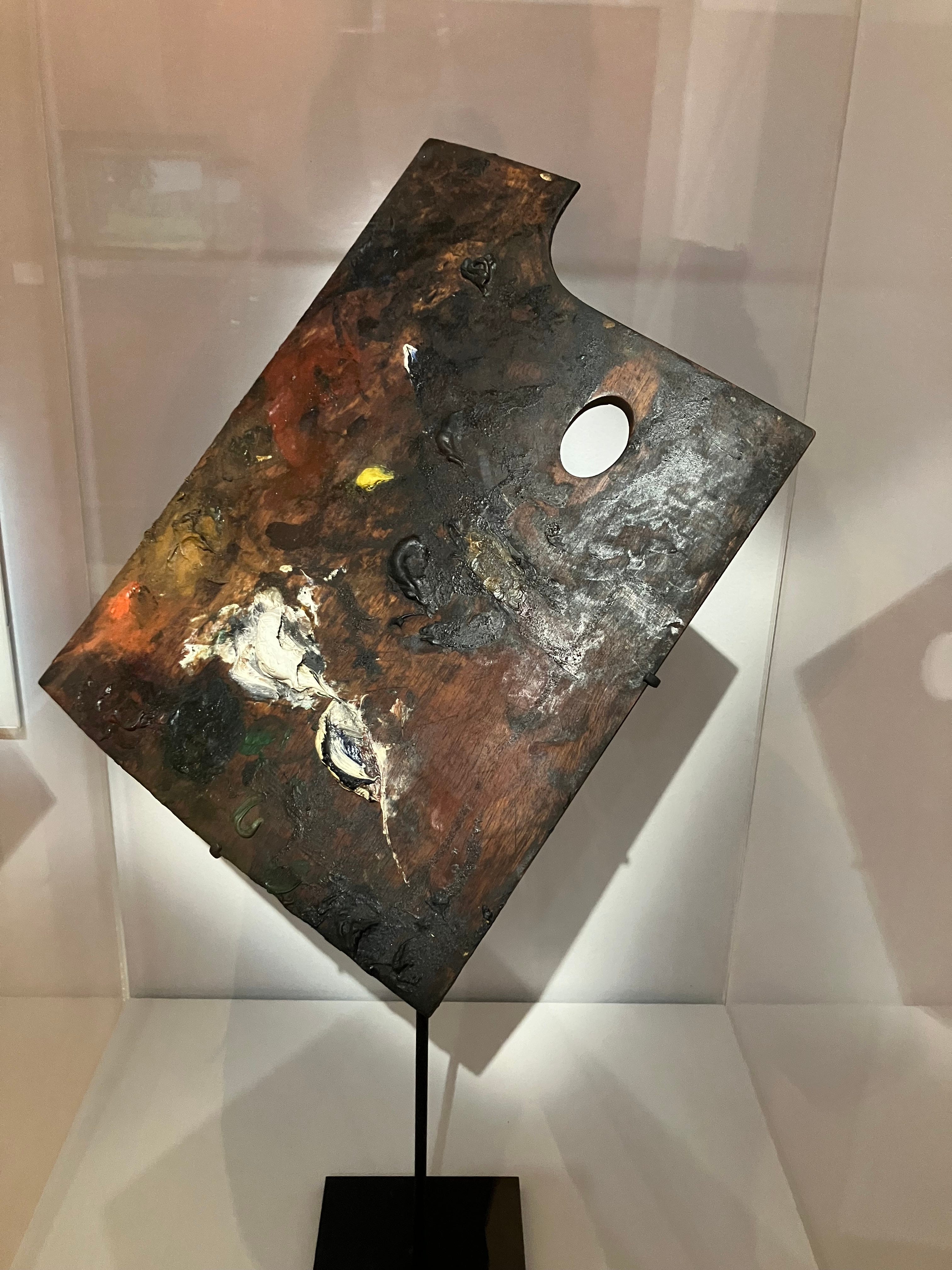
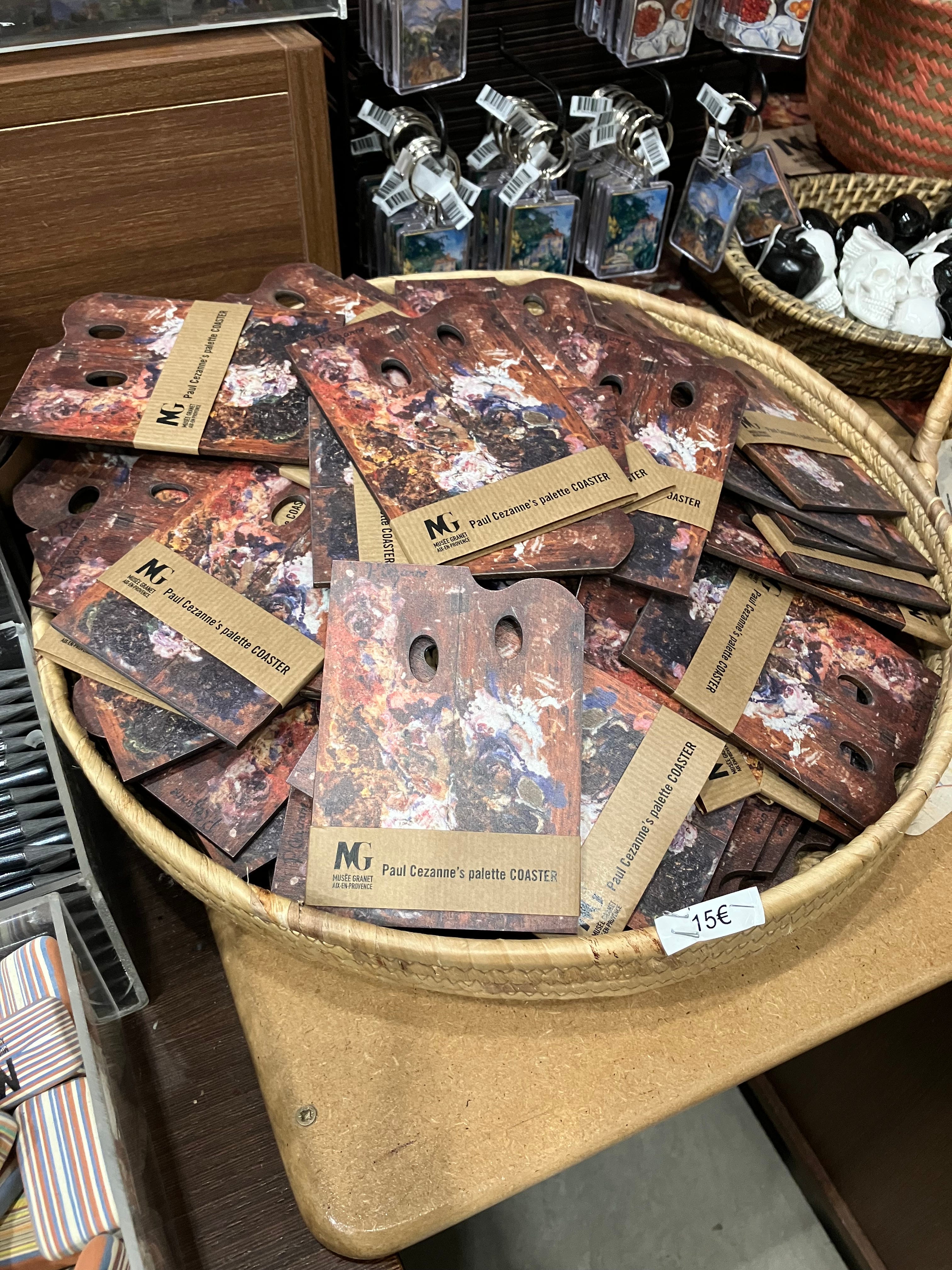
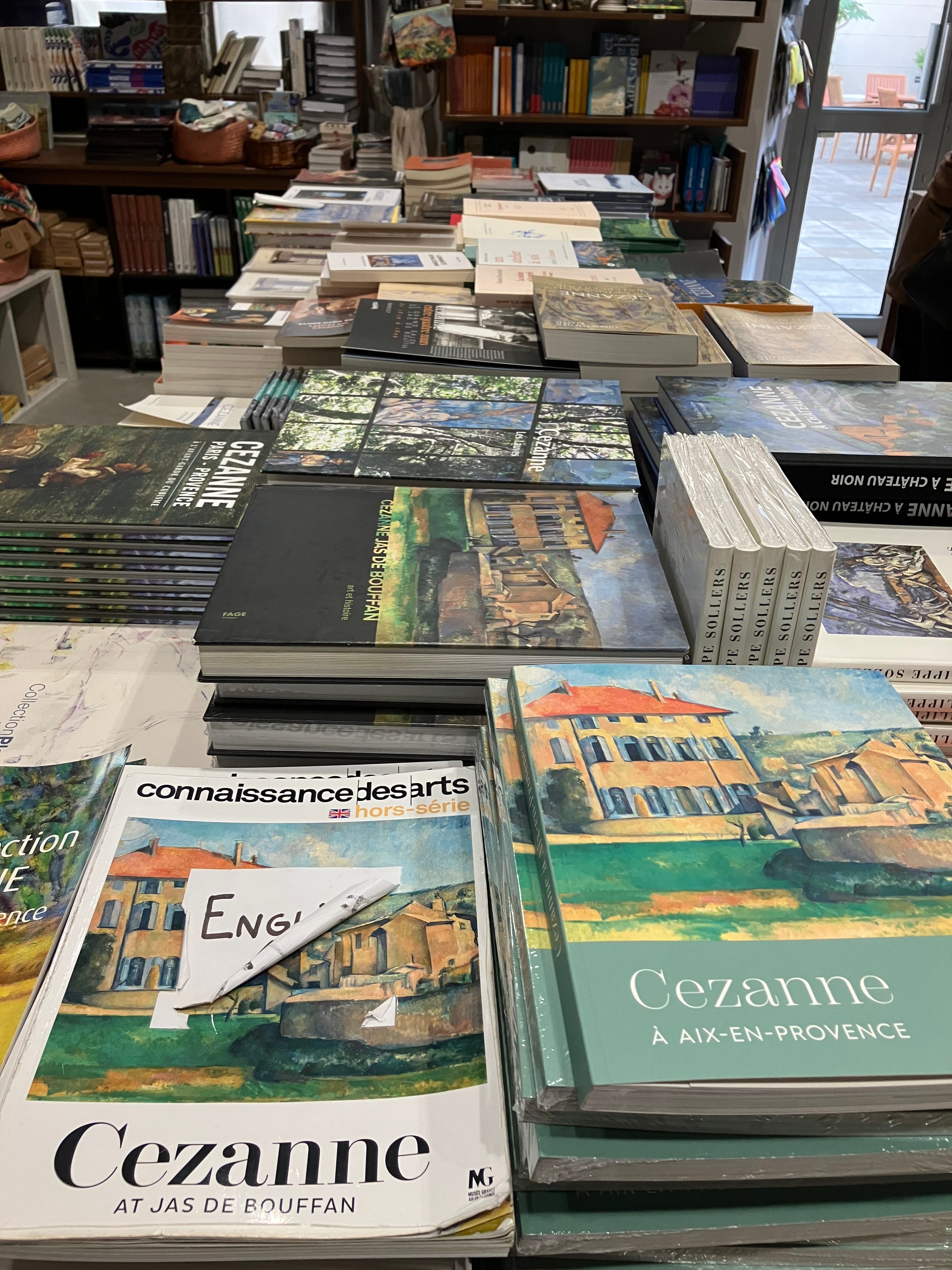
Cézanne, like other painters of his generation, worshipped Delacroix just as Planque and his contemporaries idolized Cézanne. This tradition of reverence for artists of the past is still evident today. Not only do hundreds of people flock to see Cézanne’s paintings, they can also view the ephemera from his life. Another museum in Aix features Cézanne’s studio while the Granet hosts Cézanne’s painting palette reverently displayed like a holy relic in a glass vitrine. Downstairs, in the gallery shop, this same palette has been transformed into a plethora of mementos — key chains, fridge magnets, coasters, and even a useable painting palette. A table full of books stretching the length of the shop further affirms the importance and sanctity of Cézanne and his work.
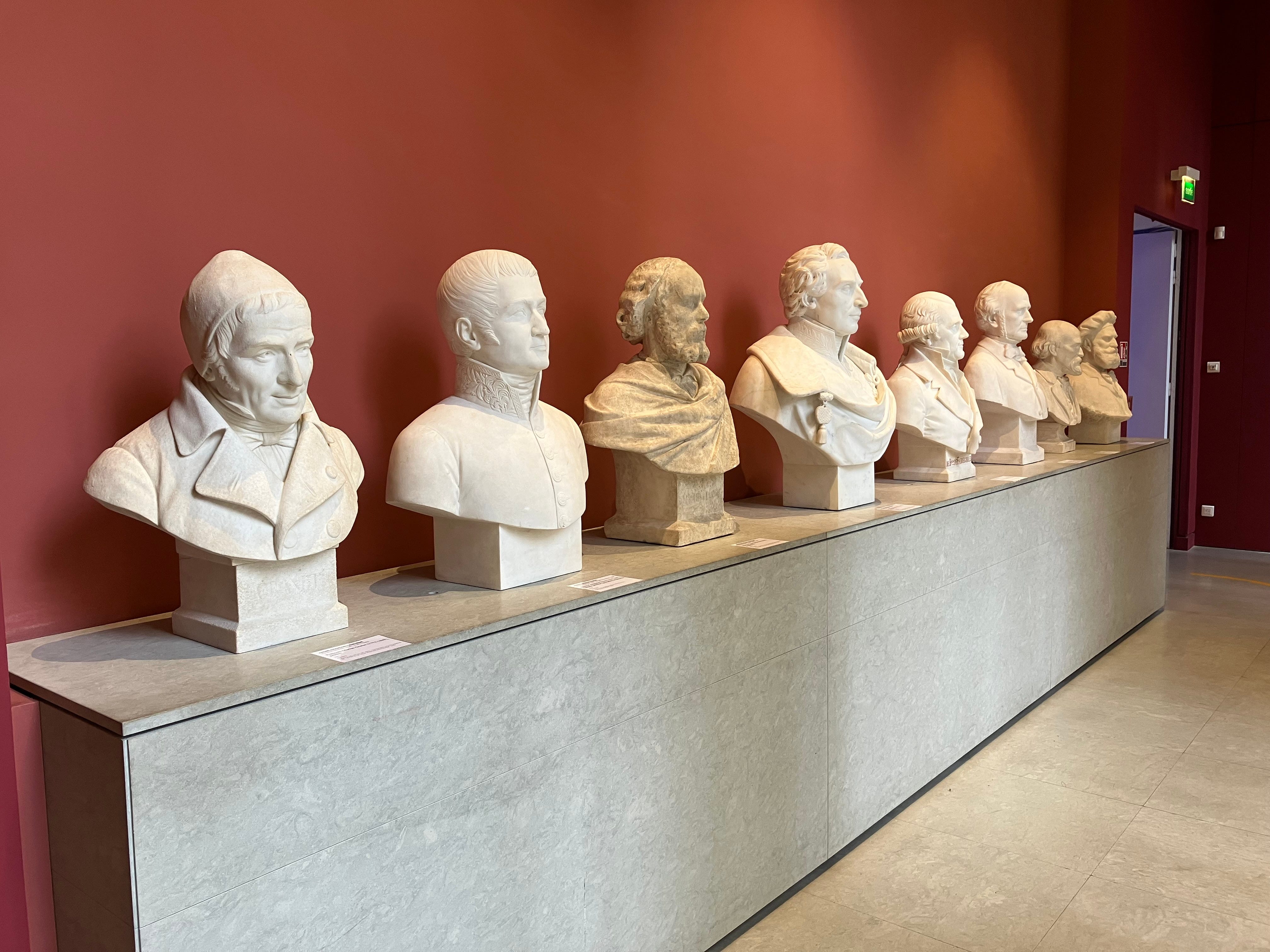
As I ended my tour of the Granet, I passed through a sculpture gallery. A long row of portrait busts, all men, lined the corridor leading to the exit. The first bust represented artist, François-Marius Granet (1775-1849), the museum’s namesake and founder who was an accomplished artist and collector like Planque. The rest of the busts depicted art idols from different eras who, through their valorisation of artists and artworks, helped to shape the story of Western art through the 19th and into the 20th century. Women, of course, are pictured in this story but rarely included as artists or idols. The Planque collection at Granet XX was a good example. The only female artist included was Sonia Delaunay. I did not see one work by a female artist in the Granet. Contemporary art, that is the art of today, appears to tell a different story, one where women and so many others are finally adding their tales to the making and meaning of art.